Why Classic Books Still Matter and How to Start Reading
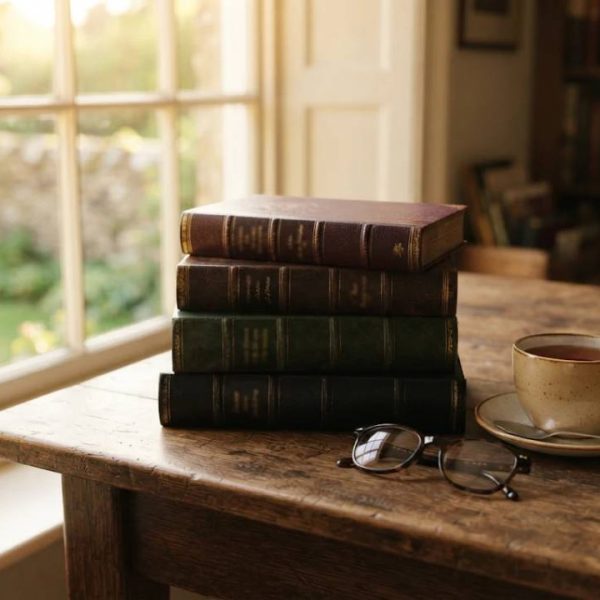
Some books refuse to age. Pride and Prejudice, Don Quixote, Crime and Punishment and Little Women still sell, still get adapted for the screen and still start arguments in book clubs two centuries after their first pages were printed. Classic literature endures because it speaks about love, ambition, injustice and doubt in ways that stay true when fashions change. This guide explains how to start reading the classics without feeling intimidated, how to choose a good edition and why the translation you pick matters as much as the author.
What Makes a Book a Classic
A classic is not simply an old book. It is a work that readers keep returning to, that influences later writers and that offers something new at every reading. Style, structure and ideas often shaped entire genres, from the detective story to the modern novel. Many classics were popular entertainment in their day, which is why they still have strong plots and memorable characters.
Do not worry about prestige. Treat a classic as a good story told by an author with a distinctive voice.
How to Start Without Feeling Overwhelmed
Begin with shorter, accessible titles such as novellas and short story collections, or choose a book connected to a film or series you enjoyed. Read twenty pages a day, and keep a small notebook for names and places in complicated novels. Skip long introductions until after you finish, since they often contain spoilers.
Give each book fifty pages before deciding it is not for you, because many classics reward patience after a slow opening.
Choosing a Good Edition
Look for clear type, readable spacing and helpful notes at the end of the book or the bottom of the page. Scholarly editions explain historical references, while reading editions keep notes light. Check whether the text is complete, since some cheap editions cut chapters or use old, awkward language.
Free digital libraries such as the Project Gutenberg free library offer public domain texts that you can read on any device, which is perfect for trying an author before buying a printed copy.
Why the Translator Matters
Most readers meet world classics in translation, and different translators can produce very different books. Some stay close to the original wording, others prefer natural modern phrasing, and a few take creative risks. Reading the opening page of two translations in a bookshop is a quick way to find the voice that suits you.
Check the translator's name on the cover or title page, and look for reviews that discuss style as well as accuracy.
Languages and Literary Traditions
Every literary tradition has its own classics. Hebrew literature, for example, includes ancient texts, modern novels and poetry that shaped a living language. Publishers, universities and cultural organizations that want to share such works with new readers often need english to hebrew translation for catalogs, introductions and metadata, handled by translators who understand literary style.
Reading about the author's culture and period enriches the experience.
Literature From Eastern Europe
The great novels of Poland, Russia and neighboring countries reached English readers through generations of translators. Our article on translating literature from Polish to English shows how choices of vocabulary and rhythm affect meaning, and why professional literary translation is a craft of its own.
Try one translated book each year from a language you do not speak.
Reading Slowly and Actively
Take notes, underline favorite passages and write a short summary after each chapter. Ask yourself what the characters want, what stands in their way and what the author seems to say about society. Discuss the book with friends or in an online group, because explaining your reactions deepens understanding.
Reading aloud, even a few paragraphs, helps you hear the rhythm.
Audiobooks and Adaptations
Audiobooks make long classics easier to manage, especially while commuting or cooking. A skilled narrator brings dialogue to life and carries you through dense passages. Films and series can introduce stories and characters, but they cannot replace the pleasure of the original text.
Try watching an adaptation after reading the book to compare choices.
Building a Reading Habit
Set a regular time, such as thirty minutes before bed, and keep the book where you will see it. Switch off notifications and read in a comfortable spot. Track your progress with a simple list, and reward yourself when you finish a title.
Reading becomes easier the more you do it.
Book Clubs and Communities
Joining a book club gives structure and motivation. Libraries, bookshops and online communities host discussions where members share interpretations. Choose a group with respectful rules and varied tastes.
Listening to other readers shows angles you may have missed.
Collecting and Caring for Books
Collectors enjoy first editions, fine bindings and illustrated volumes. Store books upright in a cool, dry place away from direct sunlight, handle them with clean hands and use bookmarks instead of folding pages.
Care keeps a library enjoyable for decades.
Passing Classics to Young Readers
Children and teenagers enjoy classics when they are introduced through abridged versions, graphic editions or read-aloud sessions. Let them choose, and discuss characters and choices rather than testing memory.
Curiosity grows when reading feels like a gift, not an assignment.
Final Thoughts
Classic literature is a conversation across centuries. Choose accessible titles, pick editions and translations carefully, read actively and share your thoughts. Each book you finish makes the next one easier.
There is a lifetime of good reading waiting.
A Starter List by Mood
If you like romance and social comedy, try Jane Austen or the Brontë sisters. For adventure, pick Treasure Island, The Count of Monte Cristo or Moby-Dick. For psychological depth, try Dostoevsky or Dickens, and for short, striking stories choose Chekhov, Poe or Maupassant. Mix countries and centuries to keep your reading varied.
Start with what excites you, and let one book lead to the next.
If you would like to add some non-fiction to that list, the lives of scientists make gripping reading. A blog that recommends the best scientist biographies and explores earth science topics for students, teachers and curious readers is a good place to look for the stories behind discoveries by figures such as Marie Curie, Charles Darwin and Alexander von Humboldt.
Dealing With Difficult Language
Older English uses unfamiliar words and long sentences. Read slowly, look up key terms and trust the context. A modern annotated edition or a parallel audiobook can help. Do not feel guilty about using study aids, since they make the story more enjoyable.
Patience turns confusion into pleasure.
Writing About What You Read
A reading journal, a blog or short reviews help you remember and think more clearly. Note what surprised you, which scenes stayed with you and which quotations you want to keep. Sharing reviews connects you with other readers.
Even a few lines after each book are valuable.
Reading Across Genres and Eras
Mix periods and styles to keep your reading life fresh: follow a nineteenth-century novel with a modern short story collection, then try a play or a book of poems. Different forms train different kinds of attention, and each can make the others more rewarding. Keep a list of authors you enjoy and look for what influenced them.
Variety turns reading from a task into a pleasure.
Libraries, Second-Hand Shops and Digital Loans
Public libraries offer printed books, audiobooks and e-books for free, and many include translated literature from around the world. Second-hand shops and online marketplaces sell affordable editions, while some libraries let you borrow digital titles on a phone. Ask librarians for recommendations, since they know which translations are popular.
Access has never been easier or cheaper.
Teaching Others to Love Classics
Share favorite passages at dinner, organize a reading circle at school or write short introductions for friends. Explain why a book matters to you instead of why it is important to everyone. Enthusiasm spreads more easily than obligation.
One good recommendation can start a lifelong habit.